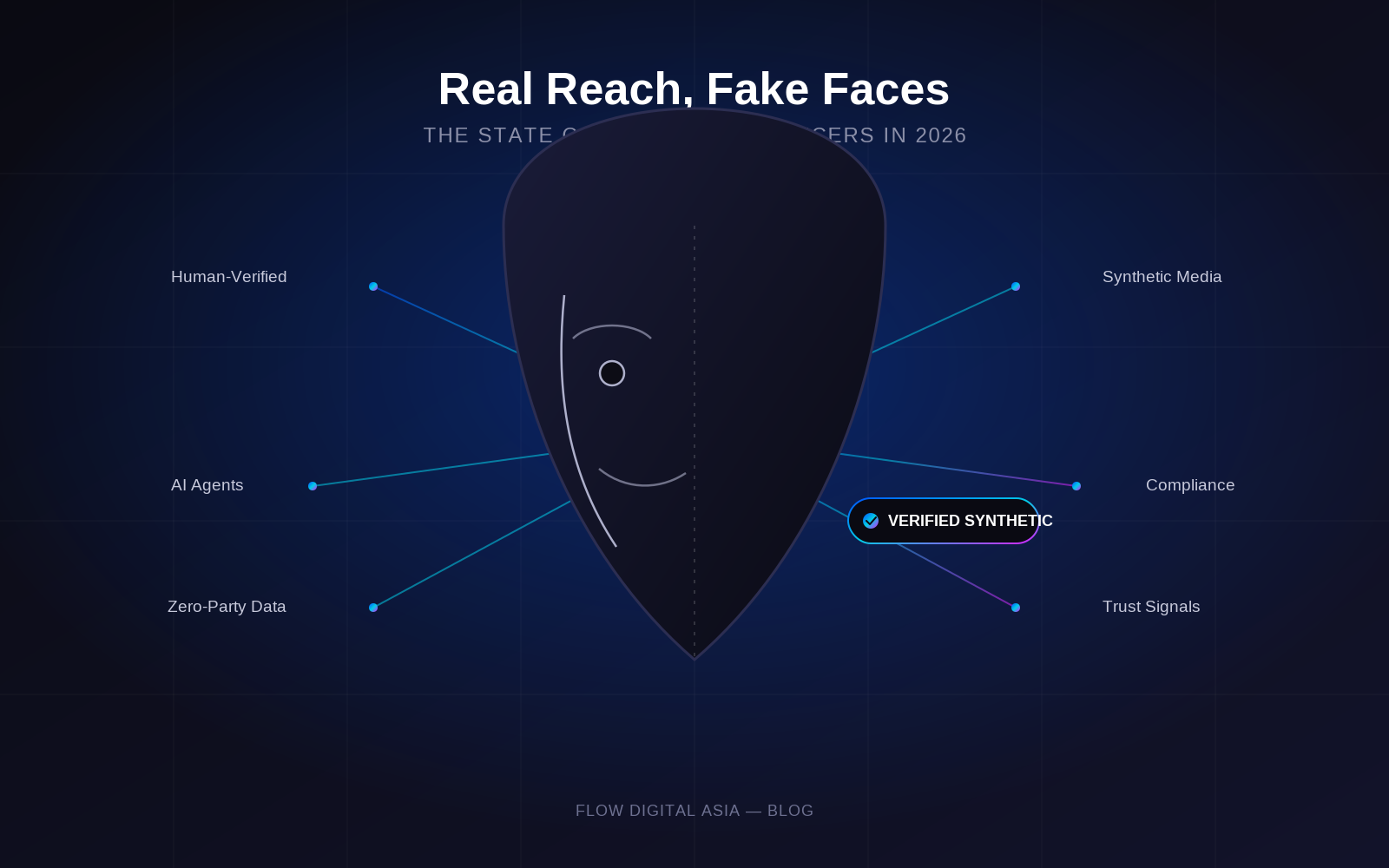
Gone are the days when you could quietly pass off a virtual brand ambassador as a real person. Platforms label AI-generated content, regulators are writing transparency rules for it, and audiences are quicker than ever to call it out. Using a virtual influencer is fine. Hiding that it's virtual is the risk.
Disclosure is now the default
Just as we got used to the "Paid partnership" tag on Instagram, AI labels are becoming part of the feed. Meta adds "AI info" labels to content it detects or that creators mark as AI-made, and TikTok asks creators to label realistic AI-generated content. In Europe, the EU AI Act includes transparency rules for content made or altered by AI, and existing advertising rules in most markets already require brands to be upfront about who, or what, is endorsing a product.
- The practical rule: if a reasonable person could mistake your virtual ambassador for a real one, label it.
- The upside: a clear label takes the "gotcha" out of it. People are far more forgiving of an honest virtual character than of one they feel tricked by.
Who owns the face?
Ownership of AI likenesses is still unsettled in most countries. If an avatar is generated from a model trained on thousands of real faces, or looks a lot like someone real, the brand using it carries the risk.
- The safer route: use avatars you have clear rights to, either created from scratch with tools whose terms grant you commercial use, or licensed from a real person who has agreed in writing to how their likeness will be used.
Does a virtual face still sell?
It can. People follow virtual characters for the look, the story and the consistency, much like they follow a mascot or a cartoon. What breaks trust is not the character being virtual, it's the brand pretending otherwise. Treat a virtual influencer as a creative format, not a shortcut around honesty.
Checklist before you launch
Before running a campaign with a virtual ambassador, make sure you have:
- A clear visual disclosure on every post and ad, plus the platform's own AI label where one exists.
- Paid partnership tags where the usual advertising rules apply.
- Written proof that you have the rights to the face, voice and any likeness used.
- A quick check of the advertising rules in each market you're running ads in.
Mick writes for Flow Digital on marketing, branding and the trends shaping how businesses grow online.